Warped Garage Door Track Replacement: Los Angeles Service Guide
A damaged garage door track can prevent an overhead garage door from opening easily, leave the door off track, or place dangerous stress on the rollers, panels, and opener. Although a damaged track may look like a simple metal bend, correcting it often requires careful garage door alignment and an inspection of the complete lifting system.
For Los Angeles homeowners, the proper solution depends on the door design, the extent of the damage, and the condition of related components. Detached garages, older single-car garage openings, and newer two-car garage systems may use different track dimensions and replacement parts. This guide outlines the warning signs, repair process, cost factors, and safety considerations involved in bent garage door track replacement.
What a Bent Garage Door Track Does to Your Door
A garage door track supports the garage door rollers as the door moves between the closed and open positions. Most residential systems have a vertical track beside each side of the opening and a horizontal track that extends into the garage ceiling area. Together, these tracks control the path of the overhead garage door.
When a track bends, narrows, twists, or shifts away from the frame, the garage door rollers cannot travel correctly. The door may bind in one location, tilt to one side, or place pressure on a garage door panel. A damaged track can also cause individual rollers to pop out of the track, creating a door off track situation.
Continued use may shift the stress to hinges, brackets, cables, and the garage door opener. A small bend can therefore become a larger repair if the door is repeatedly operated. A professional garage door technician will examine the track and the entire system rather than treating the visible damage in isolation.
Warning Signs You Need Garage Door Track Repair
The most common warning sign is unbalanced door movement. One side of the door may lift faster than the other, or the bottom section may appear tilted as it leaves the floor. This usually indicates a problem with the garage door alignment, a roller, a cable, or the track itself.
- Grinding noise: Metal-on-metal scraping, popping, or grinding can indicate a bent track, damaged rollers, or unfastened bolts.
- Sticking or jerking: The door may move normally in part of its travel and then hesitate at the location of the bend.
- Visible gaps: A roller may sit too far from the track, or the track may be separated from its track brackets.
- Alignment concerns: The door may sit crookedly when closed or leave a gap along one side.
- Opener stress: The garage door opener may hum, stop, reverse, or shut off because it detects unusual resistance.
- Loose or displaced hardware: Screws, bolts, brackets, or fasteners may be pulled away from the wall or ceiling.
Disconnecting the opener and carefully observing the door does not make a damaged system safe to operate. If the door is leaning, partially off track, or supported unevenly, stop using it and arrange garage door repair.
Frequent Sources of a Damaged Garage Door Track
Impact from a vehicle is one of the most frequent causes. A car, bicycle, storage item, or moving equipment can impact the lower portion of a vertical track. Even a slow impact may deform the track inward or pull its brackets out of alignment.
Loose hardware is another typical reason. Constant vibration, repeated cycling, and changes in the surrounding structure can shift bolts and fasteners. Once the track brackets move, the track may slide out of its intended position. In Los Angeles, summer heat and a generally dry climate can contribute to expansion, contraction, and hardware movement. Occasional coastal moisture may also contribute to corrosion around tracks, brackets, and fasteners.
Damaged rollers can create too much friction and side loading. Rollers with flattened sections, cracked surfaces, or seized bearings may drag through the track until the metal deforms. Replacing only the track without addressing seriously damaged rollers can lead to another failure.
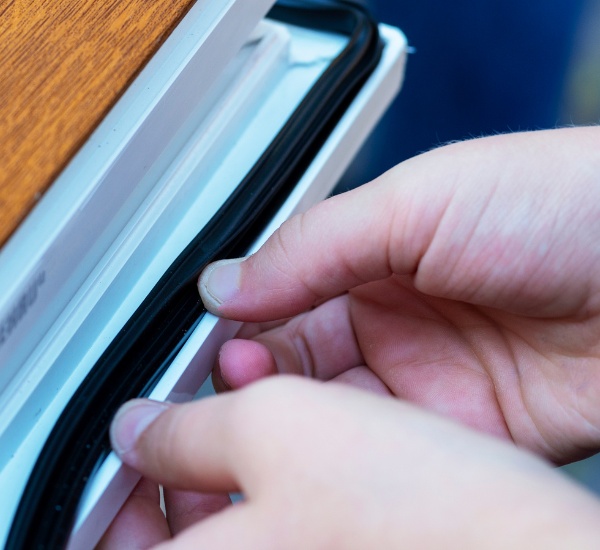
Outdoor weather conditions may affect detached garages and more exposed installations. Moisture, salt air near coastal communities, and poor preventive care can cause rust or weakened metal. A track does not have to be badly distorted to create a problem; corrosion and poor alignment can also interfere with smooth movement.
Can You Repair or Replace a Garage Door Track?
A limited track adjustment may be possible when the metal is not severely twisted, the mounting points remain secure, and the rollers and cables are in good condition. However, a severely damaged track is generally more suitable for replacement than repair. Repeated bending can weaken the metal and leave an uneven channel for the rollers.
Track replacement must be compatible with the door’s width, height, roller size, radius, lift configuration, and mounting layout. The vertical track and horizontal track also need to connect in the correct position. A replacement that appears similar may not provide correct garage door alignment.
Because the door can weigh hundreds of pounds and is connected to springs and cables, garage door safety should be the top priority. A track repair may require unloading the door, securing it, repositioning rollers, and correcting spring or cable tension. These steps can be hazardous without proper tools and experience.
When Small Track Adjustments May Work
A garage door technician may recommend a track adjustment if the issue involves displaced track brackets, loose bolts, or a small alignment error rather than a sharply bent rail. The technician may stabilize the door, loosen the appropriate mounting hardware, reposition the track, and retighten it while checking the roller path.
Lag screws and other fasteners must be attached to secure framing. Simply tightening a loose lag screw into damaged wood may not provide dependable support. The technician should also verify that the door closes evenly, the rollers remain seated, and the garage door alignment is correct across the complete travel cycle.
Track adjustment is not the same as bending a severely bent rail back into shape. Prying or hammering the track while the door is loaded can damage the rollers, release the door, or create a serious injury risk.
Situations That Call for Full Track Replacement
Full track replacement is usually safer when the rail has a sharp crease, crushed section, severe rust, separated mounting points, or a shape that cannot be repaired precisely. Replacement is also appropriate when the track has already been straightened and continues to cause uneven movement.
The specialist will select matching replacement parts rather than simply installing a universal component. The work may involve roller replacement, bracket repair, fastener replacement, and adjustment of the door’s travel. If the system uses a torsion spring or an extension spring, the spring assembly must be checked for related damage.
Spring work should be performed by a qualified technician. A torsion spring is under significant tension, and an extension spring can also release force unexpectedly. Track replacement should not become an unplanned spring repair.
Damaged Garage Door Track Replacement Cost in Los Angeles
The garage door repair cost for track replacement after bending in Los Angeles varies according to the door size, track type, accessibility, damage, and labor required. A small adjustment may cost substantially less than replacement of both tracks, rollers, brackets, and damaged panels. Emergency appointments, difficult access, and after-hours work can also affect garage door repair pricing.
A documented repair estimate should state whether the quote includes evaluation, track dismantling, new components, roller replacement, fittings, labor cost, disposal, opener inspection, and https://bestofgaragedoorca1-101-101-10.hexaforgey.com/posts/garage-door-repair-services-in-west-hollywood-ca warranty protection. Do not depend on a nonspecific quote that describes every problem as a full garage door replacement.
For a simple residential garage door with one bent section of track, the repair may be fairly minor. Costs increase when both sides need replacing, the track supports are damaged, or the door must be made safe and partly taken apart. A local company should inspect the system before giving a firm price.
What Influences the Garage door repair Price?
The type and state of the door are major factors. A compromised garage door panel may need restoration or to be replaced after a vehicle impact, adding material and service charges. Matching the panel’s color, insulation, design, and manufacturer can also affect availability.
Work involving springs work is priced separately in a lot of situations. The cost for garage door springs depends on if the system uses a torsion spring or extension spring, whether one or more springs are being changed, and whether cables, drums, or safety components are showing wear.
If the opener has been strained by the bent track, the technician may recommend testing or fixing it. If the unit is obsolete or hazardous, the cost of installing a garage door opener may form part of the project. Opener replacement should not be performed to make up for a track that stays out of alignment.
Door dimensions also play a role. A one-car garage door generally uses different materials and hardware from a double-car garage door. Homeowners comparing the two car garage door replacement cost with a track repair should first determine whether the door itself is solidly built. A functioning door with one damaged track usually does not need complete replacement.
Garage door track repair Compared With Other Garage Door Repairs
Garage door track repair deals with the path of the door, while additional services correct different parts of the system. Someone searching for garage door spring replacement near me may have a door that is hard to raise because of a failed spring rather than a bent track. Spring symptoms often include a door that feels unusually heavy, rises only a few inches, or fails to stay open.
Garage door opener repair is appropriate when the motor, sensors, gears, remote controls, or circuit board are malfunctioning. However, an opener that clicks, strains, or reverses may be responding to mechanical resistance from a bent track. The track should be checked before replacing the opener.
Garage door panel replacement may be needed after impact damage, but a panel repair will not fix a twisted track or displaced bracket. Conversely, replacing a track will not return to working condition a cracked or structurally weakened panel.
Complete garage door replacement may make sense when several sections are damaged, the door is badly rusted, compatible parts are unavailable, or the repair comes close to the door’s practical value. Compare the proposed repair with the total garage door replacement cost, including installation and disposal, before making a decision.
How a Skilled Technician Replaces a Bent Overhead Garage Door Track
The process starts with an inspection. The technician locates the damaged rail, checks the rollers, hinges, cables, brackets, springs, panels, opener, and floor or wall mounting surfaces. Measurements are taken to identify compatible replacement parts.
Next, the door is positioned in a controlled position. The opener may be detached, and the door may be supported so that its weight does not load the track during removal. This step is especially important when the door is partially open or out of alignment.
During track removal, the technician detaches the damaged rail from its brackets and supports. Fasteners that are rusted, stripped, or pulled from the framing may also be replaced. The new track is installed with the correct distance, height, and transition between the vertical and horizontal sections.
The technician then examines the rollers. If they are deteriorated, noisy, seized, or damaged from the original failure, roller replacement may be recommended. The door is repositioned, brackets are secured, and alignment is adjusted so the rollers travel without sticking.
Finally, the technician performs a system test. The door is opened and closed manually, then tested with the opener. Safety reversal, photo-eye sensors, balance, travel limits, noise, and fastener stability should all be inspected. The customer should receive an overview of the work and any additional repair estimate.
Garage door repair track safety tips for Los Angeles homeowners
Do not stand beneath a partially open, leaning, or unsupported door. A door off track can fall without warning. Keep children, pets, and vehicles away from the opening while arranging service.
The garage door emergency release allows the opener to be separated from the door, but pulling it does not make a damaged track or spring safe. Use the release only as directed and avoid moving the door by hand.
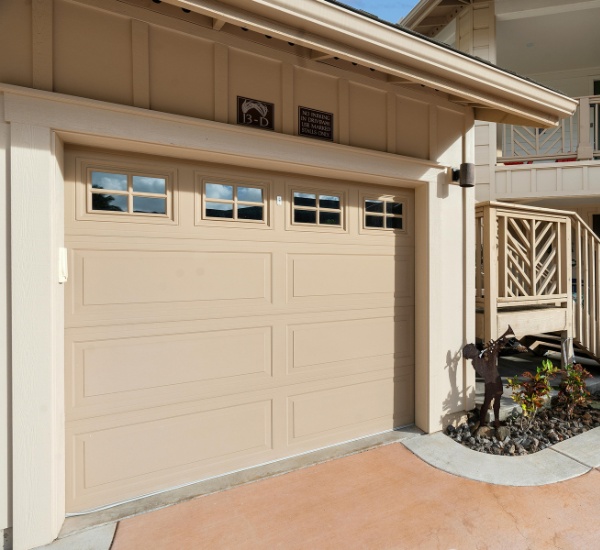
Be aware of pinch points near rollers, hinges, brackets, and the meeting points of the vertical and horizontal tracks. Never place fingers between door sections or attempt to guide a moving roller into position.
Do not adjust a torsion spring, extension spring, cables, or drums as part of a do-it-yourself track repair. These components contain energy and require proper procedures. A safety inspection should include the spring system, lifting cables, opener force settings, photo-eye sensors, and mounting hardware.
Los Angeles homeowners can reduce future failures through preventive maintenance. Keep the tracks free of objects, watch for rust and loose bolts, listen for new grinding noise, and arrange service when the door develops uneven movement. Do not apply heavy grease inside the track; rollers and hinges should receive only appropriate lubrication when recommended by the manufacturer or technician.
EM Garage Doors And Gate Service Inc19629 Cantara St, Reseda, CA 91335
(818) 919-0785
https://emgaragedoorsandgateservice.com/
https://maps.app.goo.gl/XujLWxA4pAQKARQT8
34.2193569, -118.5613022
Finding Garage Door Repair Near Me in Los Angeles
When searching for garage door repair near me, choose a company that regularly handles bent track diagnosis and replacement rather than only opener sales. Ask whether the company serves your specific neighborhood and whether the technician carries common replacement parts for your door type.
Service coverage should clearly distinguish Los Angeles neighborhoods and nearby areas, including the San Fernando Valley, West Los Angeles, South Los Angeles, and the San Gabriel Valley. Travel time, parts availability, and local building conditions can affect response times and appointment scheduling.
Immediate assistance may be useful when a vehicle is trapped, the door cannot protect the garage, or the system creates an immediate hazard. Emergency garage door repair should still include a clear diagnostic explanation and written pricing before optional work begins.
Verify that the provider is a properly qualified and insured certified contractor. Obtain a written estimate, ask about warranties, and confirm who will complete the work. For larger projects, structural changes, or installations that may require approval, check local permitting requirements and contractor information through the California Contractors State License Board when applicable.
A reputable company should explain whether the problem is a track adjustment, track replacement, roller failure, spring issue, panel damage, or a combination of repairs. That specific diagnosis helps reduce unnecessary garage door replacement.
Common Questions
How much does bent garage door track replacement cost in Los Angeles?
The track replacement cost depends on whether one rail can be adjusted, one track must be replaced, or both tracks and related hardware are damaged. Door size, access, rollers, brackets, rust, emergency scheduling, and labor cost all affect the final garage door repair cost. Request a written estimate after an on-site inspection rather than relying on a fixed price that does not account for the door’s condition.
Can I straighten a bent garage door track myself?
A minor shift involving loose brackets may sometimes be corrected by a qualified person with the right tools, but forcing a bent track straight is unsafe. The door’s weight, rollers, cables, and springs can move unexpectedly. A sharply kinked or crushed rail should generally receive track replacement from a garage door technician, with the full system inspected afterward.
How do I know whether my garage door needs track repair or full replacement?
Track repair or replacement is usually appropriate when the door sections, hinges, and lifting system remain structurally sound and the damage is limited to the rail or its supports. Full garage door replacement may be considered when multiple panels are severely damaged, corrosion is widespread, compatible replacement parts are unavailable, or repair costs approach the door’s value. An inspection can differentiate a localized track problem from a broader failure.
How much does garage door repair cost when rollers, springs, or panels are also damaged?
The garage door repair cost goes up when roller replacement, spring service, or panel work is included with the track repair. Garage door spring cost can change by spring type and the condition of cables and related hardware. A damaged garage door panel may require a matching section or complete door replacement. Ask for itemized garage door repair pricing so you can evaluate repair options with the garage door replacement cost.
How can I find reliable garage door repair near me in Los Angeles?
Look for an insured, properly licensed local provider with experience in track replacement, spring systems, and residential garage doors. Confirm service coverage for your part of Los Angeles, including the San Fernando Valley, West Los Angeles, South Los Angeles, or the San Gabriel Valley. Request a written estimate, verify licensing through the California Contractors State License Board when applicable, and ask about parts, labor, safety testing, and warranty terms before accepting work.